
Window Replacement in Dallas
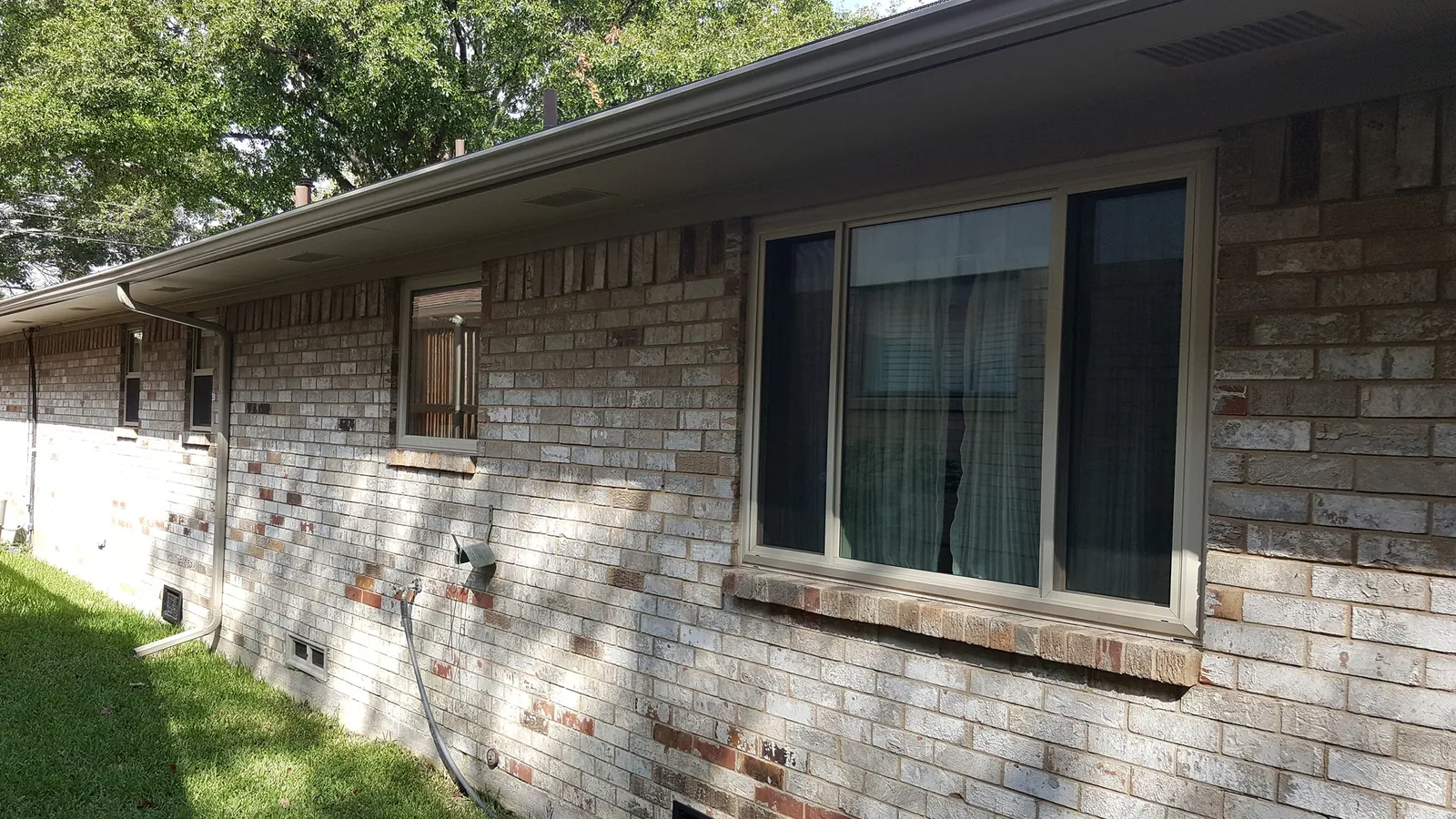
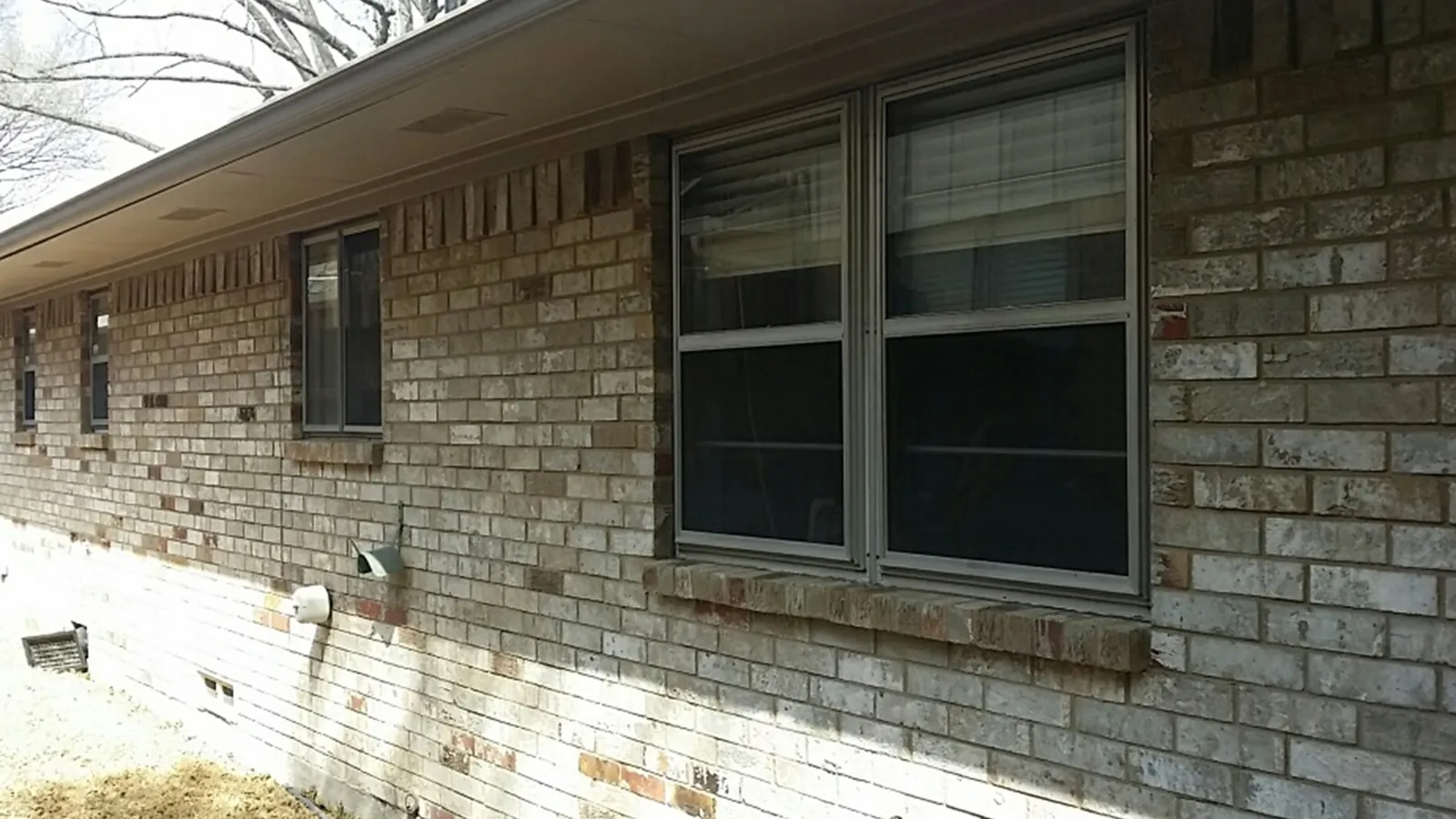
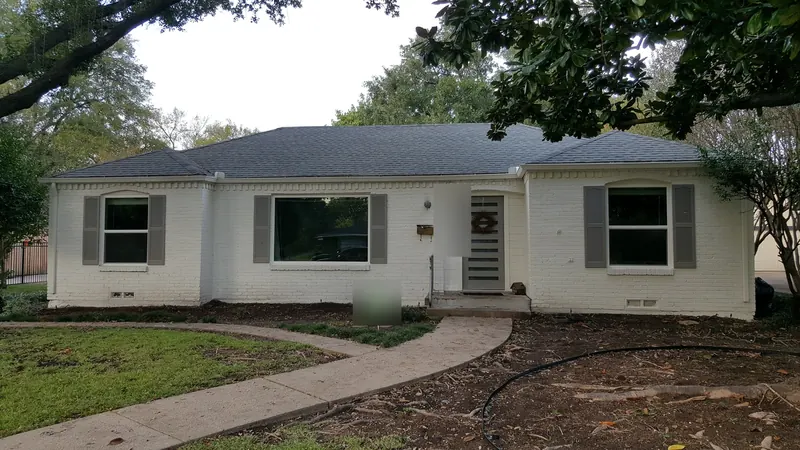
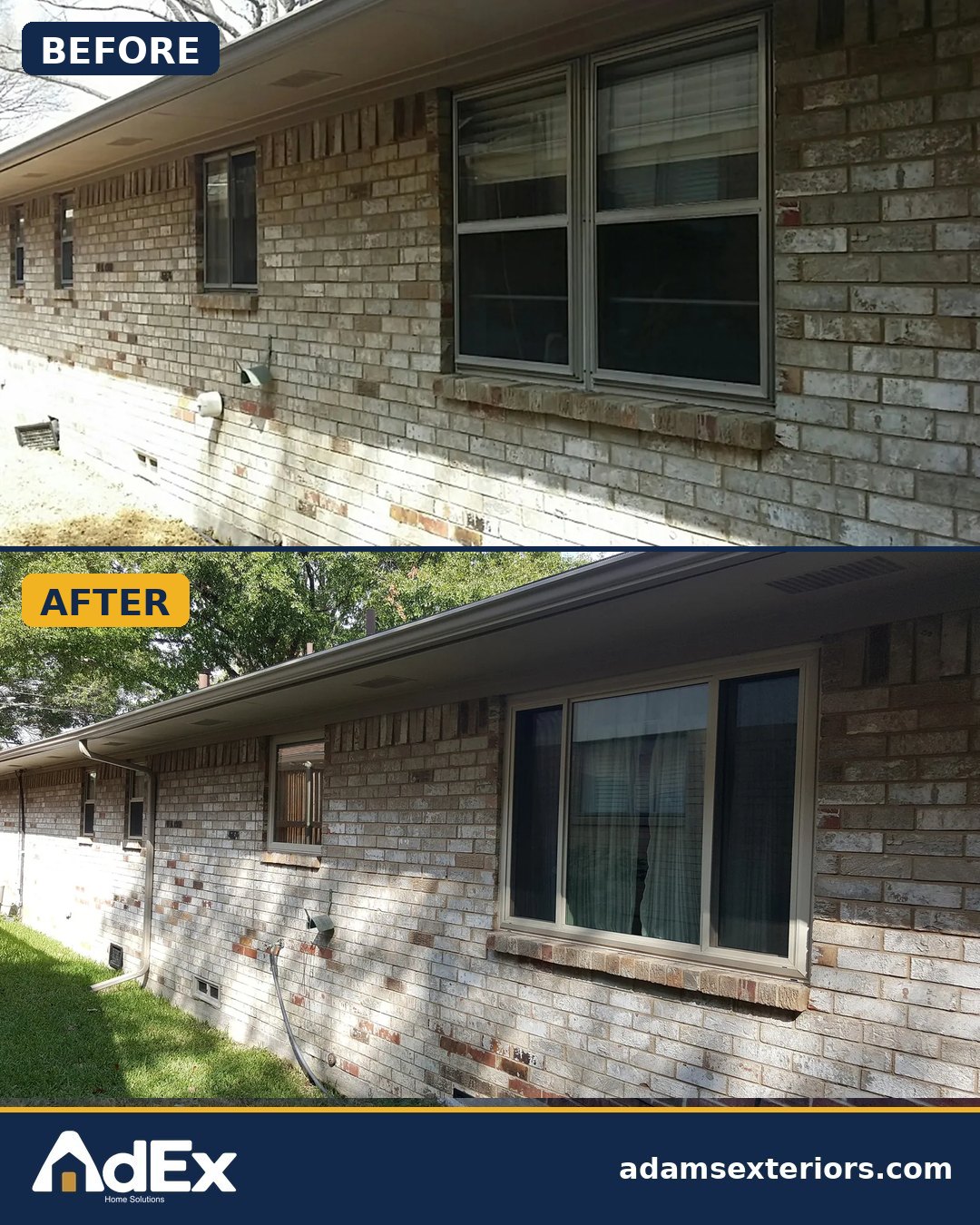
A one-story brick home in Dallas, before and after new replacement windows. Drag the slider below to compare.
Completed · Dallas, TX · 10+ windows · Alside Mezzo in clay with Cardinal LoĒ³-366 glass
- 📍 Dallas, TX
- 🪟 Window replacement
- 10+ windows
- Alside Mezzo windows
The problem
The home still had its original windows, and the frames and glass were showing their age. Like most homeowners we work with, the goal was a home that’s more energy efficient and better looking, which for most families is their biggest investment.
What we did
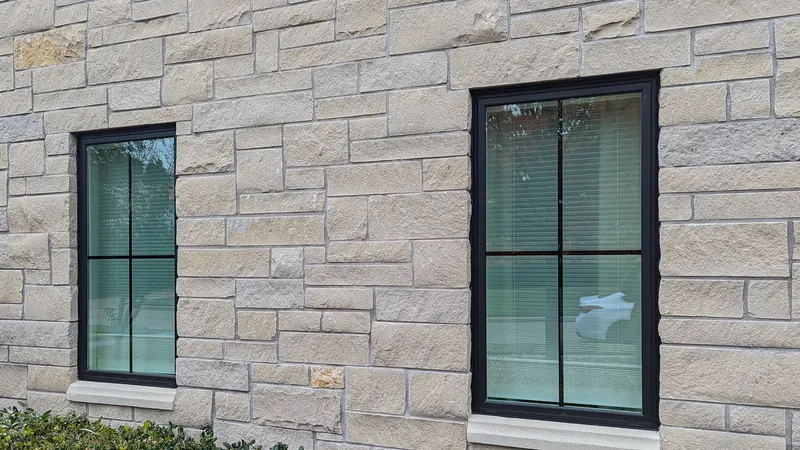
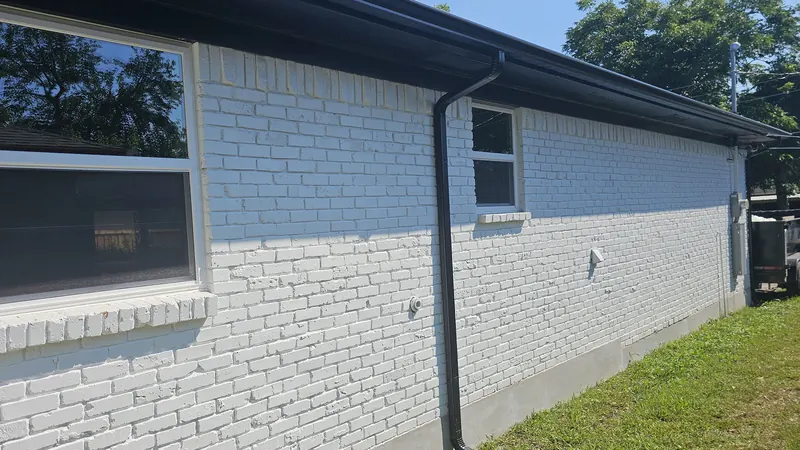
We replaced 10+ windows with Alside Mezzo replacement windows in clay, glazed with Cardinal LoĒ³-366 low-E glass, covering the windows shown in the photos on this page.
The result
The new clay frames give the home a clean, updated look, and the new glass lets in more light.
Old windows vs. new windows
What changes when old metal-frame windows are replaced with modern dual-pane, low-E vinyl windows. These are typical published ratings, not measurements taken at this home.
Energy efficiency
Higher bars are better. Insulating value (R = 1 ÷ U-factor) shows how well the window keeps heat in or out. "Summer sun heat blocked" (1 − SHGC) matters a lot in Texas.
Insulating value (R), higher = better
Summer sun heat blocked, higher = better
About 4½ times better at keeping heat in or out, roughly 78% less heat moving through the window, and about three times as much summer sun heat blocked. Typical published ratings, not measured at this home.
Sources: old windows = metal-frame single-pane clear (U 1.29, SHGC 0.73) and double-pane clear (U 0.83, SHGC 0.65), from the U.S. DOE Building America Measure Guideline: Energy-Efficient Window Performance and Selection (Table 1). New windows: AdEx Efficient Replacement Windows meet or exceed the ENERGY STAR Windows Version 7.0 South-Central zone requirements (U-factor ≤ 0.28, SHGC ≤ 0.23); the bars use those minimum values. These are whole-window ratings, so they differ from the center-of-glass glass specs below. Typical values only. Actual savings depend on the home and are not guaranteed.
Sound reduction
STC (Sound Transmission Class) works like decibels: a window blocks roughly its STC rating in dB. Every 10 points of STC makes outside noise sound about half as loud, and about 3 points is the smallest change most people notice. Bars show how much sound energy each window stops compared with the old single pane, so longer is better.
Standard dual pane blocks about 1.6x more sound than a single pane. Sound-upgrade glass blocks about 3.5x more sound (roughly 70% less sound energy getting through). Based on the midpoint of each range; typical lab ratings, not measured at this home.
Sources: single pane = Soundproof Windows, Inc., STC Ratings ("most likely between 26 and 28"). Dual pane and sound-upgrade = lab-tested windows in Andersen 100 Series STC/OITC data (dual pane standard STC 28–30; STC upgrade 32–33), shown as an example of a modern vinyl-type window, not the product used here. Typical values only, not measured at this home. STC/loudness rule: Penn State NoiseQuest, The Soundproofing Company.
Glass: Cardinal LoĒ³-366
Every AdEx window uses Cardinal LoĒ³-366, a clear glass with three layers of silver coating that cuts the sun’s heat while letting daylight through.
- U-factor
- 0.24 (argon) · 0.29 air
- Solar heat gain (SHGC)
- 0.27
- Visible light let in
- 65%
- UV blocked
- 95%
Center-of-glass manufacturer data for a dual-pane unit with 3 mm glass, a 13 mm gap and 90% argon fill, calculated by Cardinal with LBNL Window 7.8. Whole-window ratings vary with the frame. Source: Cardinal Glass Industries, LoĒ³-366 and Cardinal LoĒ³-366 spec sheet (PDF).
About the windows: Alside Mezzo
- Narrowline frame and sash for more daylight, with Alside’s EdgeForce low-profile frame and sash.
- CoreFX composite reinforcement in the meeting rails and Defense-Tek cam locks.
- Styles include single hung, double hung, sliding, picture and special shapes, casement and awning windows.
Frame colors
Extruded solid colors: White, Beige and Classic Clay. Alside also lists FrameWorks exterior colors including Black Laminate, Architectural Bronze, American Terra, Hudson Kaki, Desert Clay, Sand Dune, English Red, Forest Green, Silver and Castle Gray. Alside recommends choosing from actual samples, and not every color is offered in every market.
Source: Alside, Mezzo Energy-Efficient Vinyl Windows.
Warranty
- Lifetime limited coverage on the vinyl sash and frame, the moving parts, the screen and the insulated glass seal, for as long as the original purchaser owns and lives in the home.
- Alside covers labor for warranted repairs during the first year after installation.
- Factory-applied exterior colors: 10 years for homes.
- Transferable once to the next owner. Transferred coverage runs up to 30 years from installation, with the owner paying a growing share of the cost after year 10.
- Glass breakage and torn screens aren’t covered.
Download PDF: Alside Window Systems Lifetime Limited Warranty
Source: Alside Window Systems Lifetime Limited Warranty (PDF, alside.com). Alside’s current warranty applies to products made on or after March 1, 2025; earlier warranties continue to apply to earlier products.
More from this job
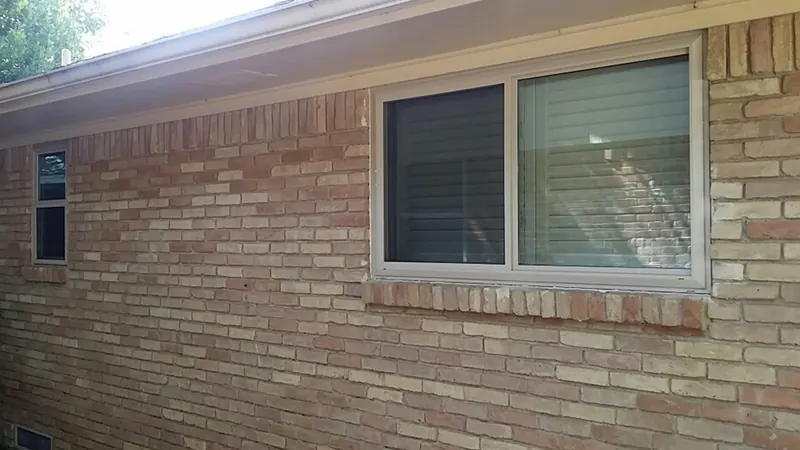
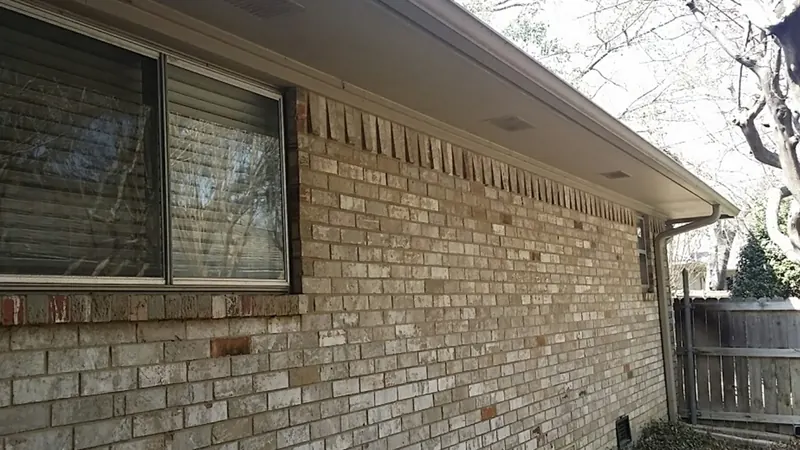
Same home, more spots. Drag each slider to compare.
Want a project like this?
Have time? Let's meet.
Choose Home Consultation and we'll get it scheduled.
- Educational & informative
- No pressure
- No sales pitch

Short on time? Send a photo of what needs work.
Get your Full Picture Estimate within 24 hours, with options, pricing and warranty in writing.
- No pressure
- No stranger at the door
- No sales pitch
Rather talk? Call 214-349-7283
Questions about this project
How much more sound do new windows block?
Compared with an old new-construction window (about STC 27), a standard dual-pane window (about STC 29) blocks roughly 1.6x more sound, and sound-upgrade glass (about STC 32–33) roughly 3.5x more. These are typical lab ratings, shown in the chart above, not measurements at this home.
What does Cardinal LoĒ³-366 glass do?
It’s a clear low-E glass that reflects heat and blocks much of the sun’s heat while letting in 65% of visible light. It blocks 95% of UV, which helps keep floors and furniture from fading. In a dual-pane argon unit its center-of-glass U-factor is 0.24 and SHGC is 0.27, per Cardinal.
How do I get an estimate for a project like this?
Two ways. Send photos of what needs work and get a Full Picture Estimate within 24 hours, with options, pricing and warranty in writing. Or book a home consultation and we’ll meet you at the house. Start here.